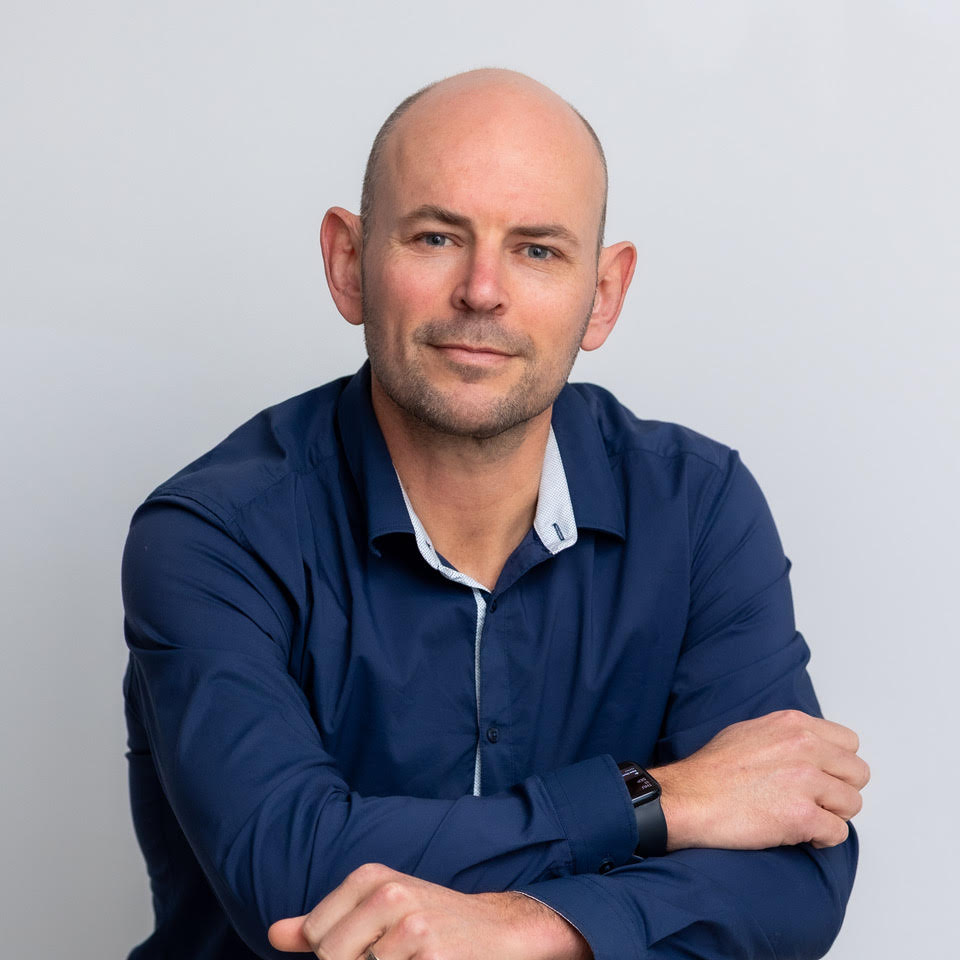
By Chris Diprose, Founder and Managing Director, Diprose Media
Ask someone who’s been through a bad video production what went wrong and they’ll almost never say it was the camera work. Usually it’s something that happened much earlier: a brief that wasn’t thought through properly, a concept that got approved too quickly, or a shoot day that started without everyone agreeing on what they were actually there to capture. The footage looks fine. The edit looks fine. But somewhere in the process the connection between what the business needed to communicate and what ended up on screen got lost, and no amount of colour grading fixes that kind of problem after the fact.
A well-produced brand video looks effortless when it works, but what that impression hides is the structured thinking that happens before anyone picks up a camera. This guide walks through the full commercial video production process at Diprose Media, from the first strategy conversation through to final delivery, so you know exactly what to expect and why each stage matters.
The commercial video production process is the structured sequence of phases, from strategy and concept development through pre-production, filming, and post-production, that ensures a brand video achieves its intended business objective.
Inside the Commercial Video Production Process: An Overview
Every brand video that genuinely works has a process running underneath it, one where the right questions get asked early, the planning was thorough enough to keep the shoot efficient, and the edit had enough strong material to build something compelling from. The ones that don’t work out almost always have a gap somewhere in that sequence, and it tends to be earlier than anyone realises until the footage comes back and the pieces don’t quite fit the way everyone imagined.
The brand video production process at Diprose Media runs across four connected phases: strategy and concept development, pre-production planning, the shoot itself, and post-production through to final delivery. Each phase feeds directly into the next, and skipping or compressing any one of them doesn’t save time overall. It just moves the problem downstream where it’s more expensive and more disruptive to fix. For businesses across Melbourne and Sydney working with Diprose Media on commercial video production, the process is collaborative and transparent at every stage so clients always know what’s happening, what’s coming next, and what their role is at each point.
Where It All Begins: Concept Development and Strategy
The most important work in a brand video project happens before the camera comes out of the case. Strong commercial video strategy starts with a genuinely clear understanding of three things: who the audience is, what the video needs to achieve, and how success is going to be measured once the content is live. Those questions sound obvious but most brands haven’t fully answered them when they arrive at a production brief, and the ones that haven’t tend to find out partway through post-production when the edit doesn’t feel like it’s going anywhere useful.
Commercial video strategy is the process of defining the audience, objective, and success metrics for a video before any creative development begins.
Once the strategic foundation is genuinely clear, concept development translates those objectives into a creative approach that serves the brief rather than just looking impressive in a reel. The concept gets captured in a treatment document that describes the creative direction clearly enough for everyone involved to understand what the finished video will feel like before a single frame is shot. From there it becomes a script, which is the blueprint for every decision that follows, from the shot list through to the edit structure.
Getting this right on paper is always cheaper than discovering the mismatch after the shoot is done. Chris is direct about what happens when brands want to skip this stage and go straight to filming:
“When the planning is done effectively, you’re able to more clearly identify what the client is really trying to achieve with their content, rather than just creating content for the sake of it because they think they need something.” — Chris Diprose, Founder and Managing Director, Diprose Media
Without that clarity, the risk is producing something that looks polished but doesn’t actually serve the business goal it was built for, and that’s a much more expensive mistake than taking the time to get the concept right at the start.
Pre-Production: Planning a Commercial Video the Right Way
Pre-production is the phase that determines whether a shoot day runs to plan or runs over budget, and it’s the one clients tend to underestimate because most of the work happens away from the camera. By the time the crew arrives on set, every decision about what’s being filmed, in what order, with whom, and to what specific purpose should already have been made, documented, and agreed. A shoot day where those decisions are still being worked out on arrival is a shoot day that costs significantly more than it needed to.
Pre-production is the planning phase of the video production process, covering scripting, storyboarding, scheduling, casting, and location scouting before filming begins.
A thorough pre-production phase for a typical brand video covers:
- Scripting: Finalising the narrative, interview questions, or voiceover copy that will drive the edit, with client sign-off before anything goes to camera.
- Storyboarding: Mapping out the visual sequence so the crew and client are aligned on what the finished piece will look like before filming begins.
- Shot lists: Every piece of footage the edit will need, organised by location and priority so the crew isn’t making decisions on the fly during the shoot.
- Scheduling: Accounting for location access, talent availability, travel between sites, and enough buffer time for setup and pack-down at each location.
- Casting: Where the production involves presenters, spokespeople, or actors who need to be confirmed and briefed well in advance of the shoot day.
- Location scouting: Confirming that environments work visually and practically before the crew commits to them, rather than discovering a problem on the morning of the shoot.
- Usage rights: Clearing music, talent, and location rights before production begins. Discovering a clearance issue in post-production is genuinely painful and avoidable.
At Diprose Media, this planning happens with the client rather than around them, with expectations, timelines, and deliverables agreed before production begins so the shoot day can do what it’s there to do: capture great content efficiently and without unnecessary surprises.
Production Day: How Commercial Videos Are Made
For most clients the shoot day is the most visible part of the whole process, the point where everything planned on paper starts becoming real footage. What’s less obvious from the client’s side is how much of what happens on the day is already determined by the work that came before it. A well-planned shoot runs efficiently because the storyboard is approved, the shot list is sequenced, and every crew member knows exactly what they’re there to capture and in what order. The planning is what makes the shooting feel smooth.
Production is the filming phase of the brand video process, where the creative plan developed in pre-production is executed by the crew on location or in studio.
A standard Diprose Media shoot runs with a core crew of three: a producer managing the day and keeping everything aligned with the brief, a primary videographer or cinematographer handling camera and lighting, and a production assistant supporting setup, pack-down, and logistics between locations. Three experienced people working from a solid pre-production plan can achieve an enormous amount across a single day, moving between sites, conducting interviews, and capturing the supporting footage that gives the edit the material it needs.
One thing that consistently catches clients off guard is how much value comes from footage that never ends up in the hero video. As Chris notes, the behind the scenes content sometimes becomes more popular than the hero video itself, purely because audiences are genuinely curious about how the work gets made. That kind of incidental footage has real social media value that a lot of brands don’t specifically plan for but consistently end up using across platforms.
Diprose Media operates from a studio in Brighton, with full on-location capability across Melbourne and Sydney. The crew brings the same structured approach to every environment, whether it’s a controlled studio setup, a corporate office, or a working facility on the other side of the city.
Post-Production: Where the Story Comes Together
Post-production is where the footage becomes a film, and it’s also the phase where clients tend to feel most removed from what’s happening. The work is in an edit suite rather than a room they’re sitting in, and without structured communication the gap between the raw footage from shoot day and the finished video waiting in their inbox can feel uncomfortably wide. Getting the communication structure right in this phase is as important as getting the edit itself right.
Post-production is the editing phase of the video production process, covering the rough cut, sound design, music, colour grading, motion graphics, revisions, and final delivery.
The Diprose Media post-production process starts with a rough cut that prioritises story structure over polish. No colour grading, minimal music, simple sound design, just the narrative assembled clearly enough to show where the edit is heading and give the client something concrete to respond to before the detailed work begins. Structural changes at this stage are quick and straightforward. The same changes after the colour grade and sound mix are done cost significantly more time and money, which is exactly why the rough cut is shared in that deliberately unfinished state.
From the rough cut, the edit moves through:
- Sound design: Cleaning dialogue, adding ambient sound, and building the audio environment that makes footage feel present and real rather than flat.
- Music: Chosen to reinforce the emotional tone of the piece rather than simply fill silence. The right track changes how a video lands significantly.
- Colour grading: Shaping the look and mood of the footage in ways that go well beyond basic correction. A warm grade and a cool grade can make the same footage feel like two completely different brands.
- Motion graphics: On-screen text, titles, lower thirds, and any animated elements the brief calls for, consistent with the brand’s visual identity.
Three structured revision rounds are included as standard, with feedback consolidated at each stage rather than arriving in scattered messages. Final delivery includes platform-specific versions cut to the right dimensions and durations for every channel where the video will live, along with full perpetual usage rights so the content can be used anywhere, at any time, with no ongoing licensing fees.
The Full Workflow at a Glance
Every stage of the brand video process feeds directly into the next, and the quality of each phase determines how much runway the following one has to work with. Rushing a stage doesn’t save time in the overall project, it just relocates the cost of that shortcut to a point where it’s more disruptive to absorb.
| Stage | What happens | Timeframe |
| Strategy | Define objectives, audience, and success metrics | 1 to 2 weeks |
| Concept development | Turn strategy into a creative idea, write the treatment and script | 1 to 2 weeks |
| Pre-production | Storyboarding, shot lists, scheduling, casting, location scouting | 1 to 2 weeks |
| Production | The shoot: crew, camera, lighting, sound, talent direction | 1 to 3 days |
| Post-production | Editing, sound design, colour grading, motion graphics, revisions | 2 to 4 weeks |
| Delivery | Platform-specific versions, final files, perpetual usage rights | 1 to 3 days |
The transparency of this workflow matters as much as the structure. Clients who understand what’s happening at each stage, what decisions are being made, and what’s coming next give better feedback, make faster approvals, and end up with a final video they’re genuinely confident in. Explore the full range of Diprose Media services to see how brand video fits alongside other production formats.
Brand Video Production Across Melbourne and Sydney
Diprose Media has been producing brand video content for Melbourne businesses since 2012, and has expanded that work steadily to include a growing number of Sydney clients across technology, professional services, healthcare, and construction. Both cities have distinct business cultures, and the brands that perform best on video in each market tend to be the ones whose content feels genuinely local: polished but not overproduced, direct without being corporate, and human in a way that Australian audiences respond to naturally.
Diprose Media produces brand video content for businesses across Melbourne and Sydney, with production capability for national and interstate projects.
Working with a single production team across both cities means a brand gets a consistent creative approach, consistent production quality, and a single point of contact managing everything rather than briefing two different studios and hoping the results feel like they came from the same brand. For Melbourne productions, the team operates from a studio in Brighton with full on-location capability across the city. For Sydney productions, the team travels regularly and applies the same structured pre-production process to every interstate project so the distance doesn’t affect the quality of the planning or the outcome.
Both markets have seen a significant increase in demand for brand video content that genuinely serves a business objective rather than just checking a box. The businesses getting the most out of that investment are the ones treating video as a strategic asset rather than a production task, and working with a team that understands the difference.
Final Thoughts: Why a Defined Process Delivers Better Video
A clear commercial video production process is what separates a brand video that earns its place in a marketing strategy from one that gets approved, uploaded, and quietly stops being mentioned. The process keeps creative work grounded in a real business objective, keeps costs predictable, and gives everyone involved the confidence that what gets delivered at the end of a project genuinely reflects what was asked for at the start, rather than a well-produced version of something slightly different.
For brands that have been through a production that felt disorganised, where the brief kept shifting and the final result landed somewhere unexpected, a structured process isn’t a constraint on creativity. It’s the thing that makes a good outcome reliable rather than occasional. Diprose Media works with clients across Melbourne and Sydney on brand and commercial video, corporate video production, animation, event video production, and videography, bringing the same structured, collaborative approach to every project.
Ready to bring your brand video to life?
Talk to the Diprose Media team about your next project, or explore our portfolio to see the process in action.
Frequently Asked Questions About Brand Video Production
How long does the brand video production process take from start to finish?
It depends on scale and complexity. A straightforward talking head piece with supporting footage can be turned around in one to two weeks if pre-production is clean and approvals move quickly. A more involved production with animation, multiple locations, or interstate filming typically runs six to eight weeks. Every project at Diprose Media gets a clear timeline upfront so there are no surprises partway through.
What do I need to provide before production begins?
The most valuable thing to bring to the first conversation is a clear sense of what the video needs to achieve and who it’s for. Everything else, the script, the creative concept, the shot list, the production schedule, gets developed from there by the Diprose Media team with client input at every stage. You don’t need to arrive with anything polished, just an honest answer to what you’re trying to do.
How many revision rounds are included?
Three structured revision rounds are included as standard. Feedback is consolidated at each stage rather than coming through incrementally, which keeps the edit moving efficiently and makes sure every piece of feedback is addressed properly rather than getting lost across email threads.
Do I own the final video and can I use it anywhere?
Yes. Every Diprose Media production comes with full perpetual usage rights, meaning the finished video can be used across any platform, in any format, for as long as it’s relevant, with no ongoing licensing fees. Platform-specific versions cut to the right dimensions for different channels are included in the final delivery package.
What is the difference between pre-production, production, and post-production?
Pre-production is everything that happens before the camera rolls: scripting, storyboarding, scheduling, casting, and location scouting. Production is the shoot itself, where the crew captures all the footage the edit will need. Post-production is where that footage gets shaped into a finished video through editing, sound design, colour grading, and motion graphics, followed by revisions and final delivery.
Do I need a script and storyboard, or can Diprose Media create these?
Diprose Media handles scripting and storyboarding as part of the pre-production process. Clients bring the brief and the objectives, and the team translates those into a creative direction document, a script, and a storyboard, all refined with client input before production begins. No client needs to arrive with a finished script for the process to work well.